Where Swirl Marks Meet Their Match
Paint Correction in Austin, TX
Refining Paint Before Anything Else Goes On
Paint correction in Austin, TX is the process of refining a clear coat, not repainting a vehicle. Years of automated washes, dust, and daily driving leave behind fine swirl marks and light scratching that a wash alone never fixes. Our Advance Paint Correction package works through multiple polishing stages to even out that clear coat, and it is the recommended first step before ceramic coating goes on, or as a stand alone service after a fresh exterior detailing visit.
Direct sun exposure across an Austin summer accelerates the kind of fine scratching that correction is built to address, since heat softens a clear coat just enough for dust and grit to leave a mark during an otherwise ordinary wash. Vehicles that spend most of their time parked outside tend to show these defects sooner than a garage kept car, which is why so many correction appointments start with a driver noticing their paint has gone dull or hazy under direct light even though the car still looks clean up close.
Our Paint Correction Package
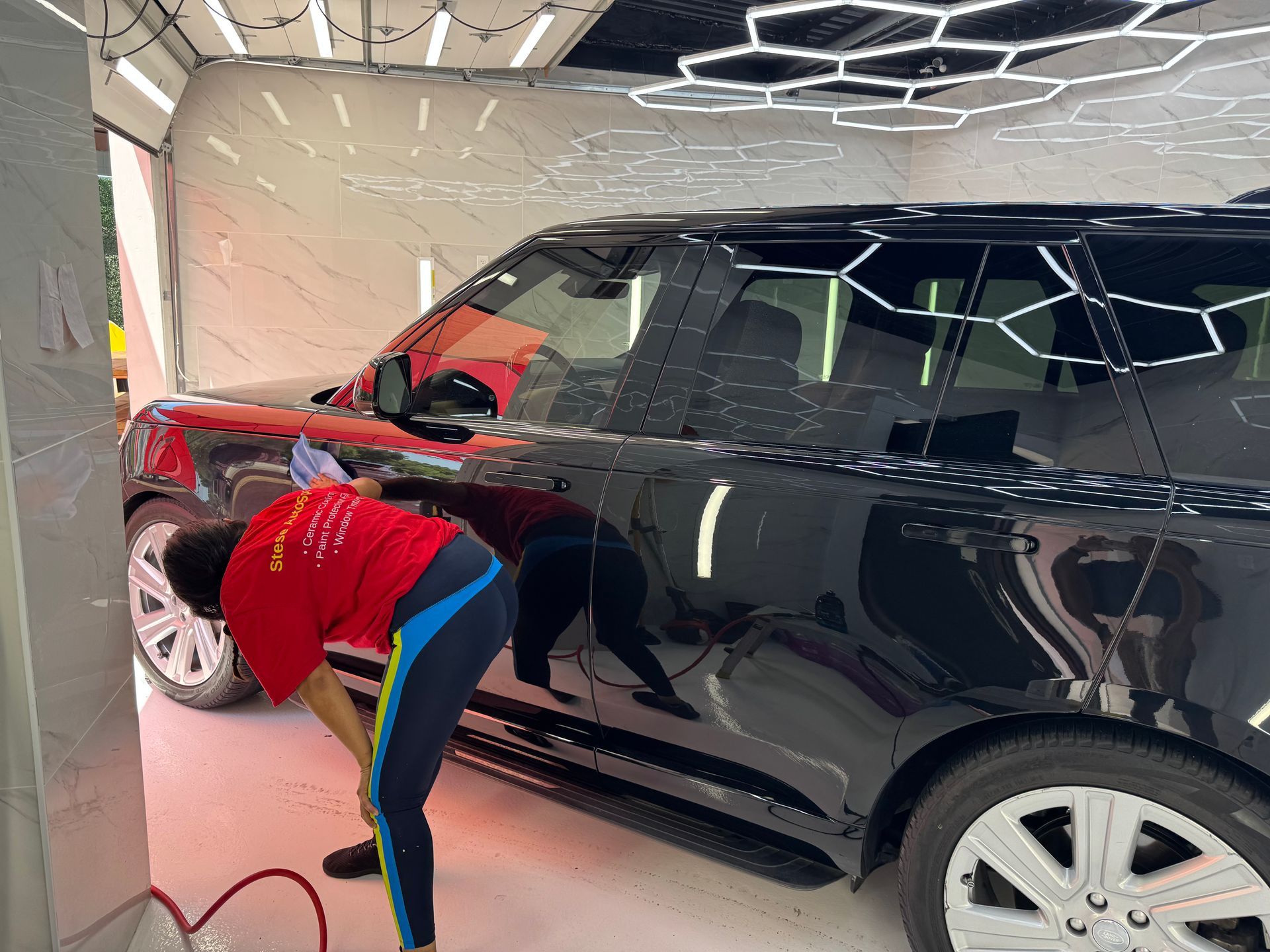
Advance Paint Correction
TURNAROUND: 1-2 DAYS
starting at
sedan
$685
crossover
$875
suv
$1,085
This package includes:
- The Interior Detail Plus:
- Hand wash and dry
- Air pressure all water excess
- Decontaminate paint (Meguiar's clay bar)
- Remove oil and silicones
- Three-step orbital polish
- Hand wax (Meguiar's paste)
- Application of paint sealant
- Headlight restoration
- Black-out wheel wells
- Polish tailpipes
- Clean and shine chrome accents
Even Out That Finish Before It Gets Worse
Every paint correction appointment starts with a walk around to point out which defects are likely to improve and which may only partially resolve, so expectations are clear before any polishing begins. That walk around also gives a chance to talk through how the vehicle is normally parked and driven, since a car that sits outside in direct sun most of the year benefits from a different follow up plan than one that spends most of its time in a garage. Many drivers use this conversation to decide whether a ceramic coating makes sense right afterward, locking in the corrected finish before everyday driving has a chance to undo it. Scheduling a correction ahead of a big event, a sale, or simply a season of heavy Austin sun common enough that we recommend booking a week or two out whenever possible.
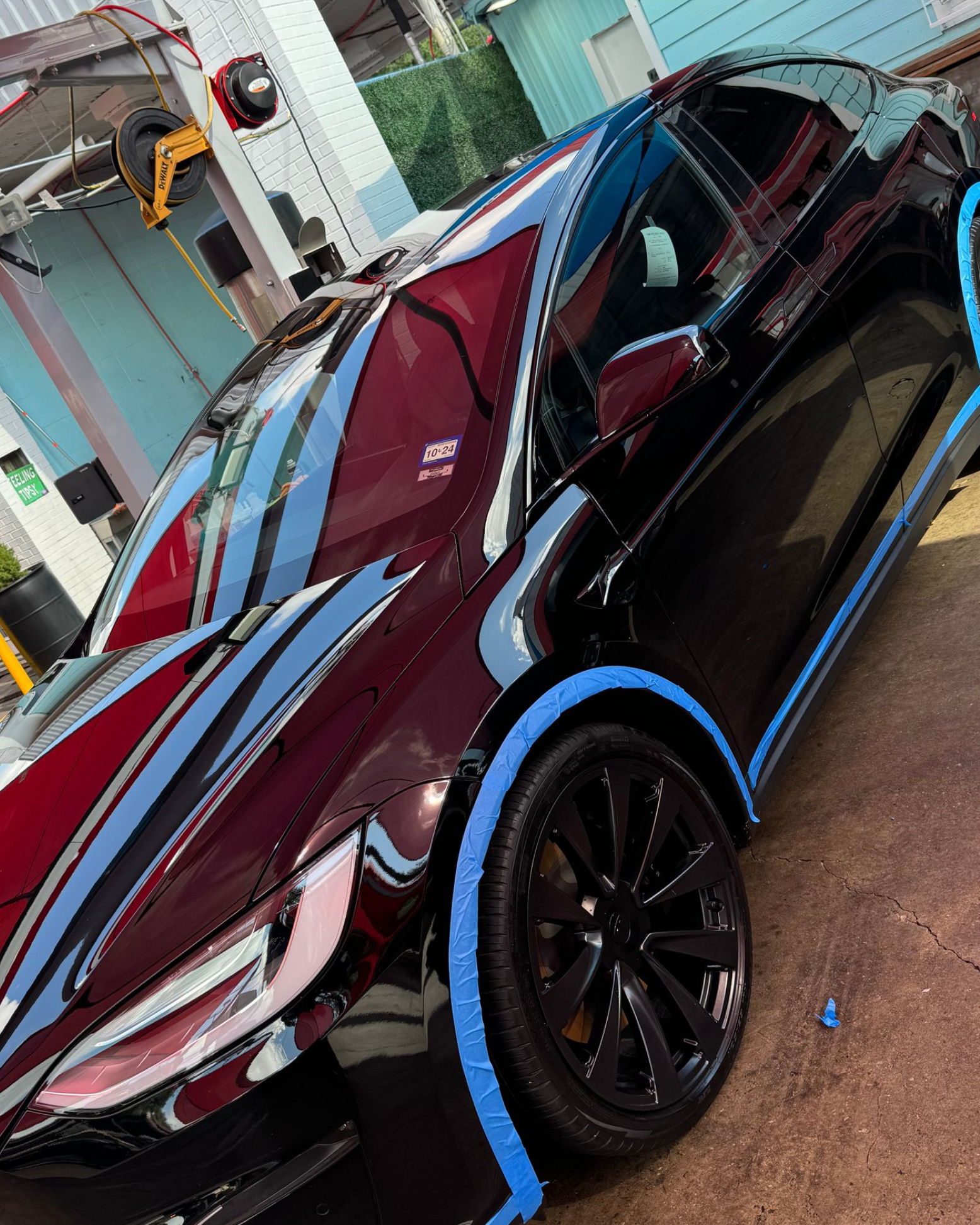
Top Reasons to Choose Paint Correction
Multi Stage Process
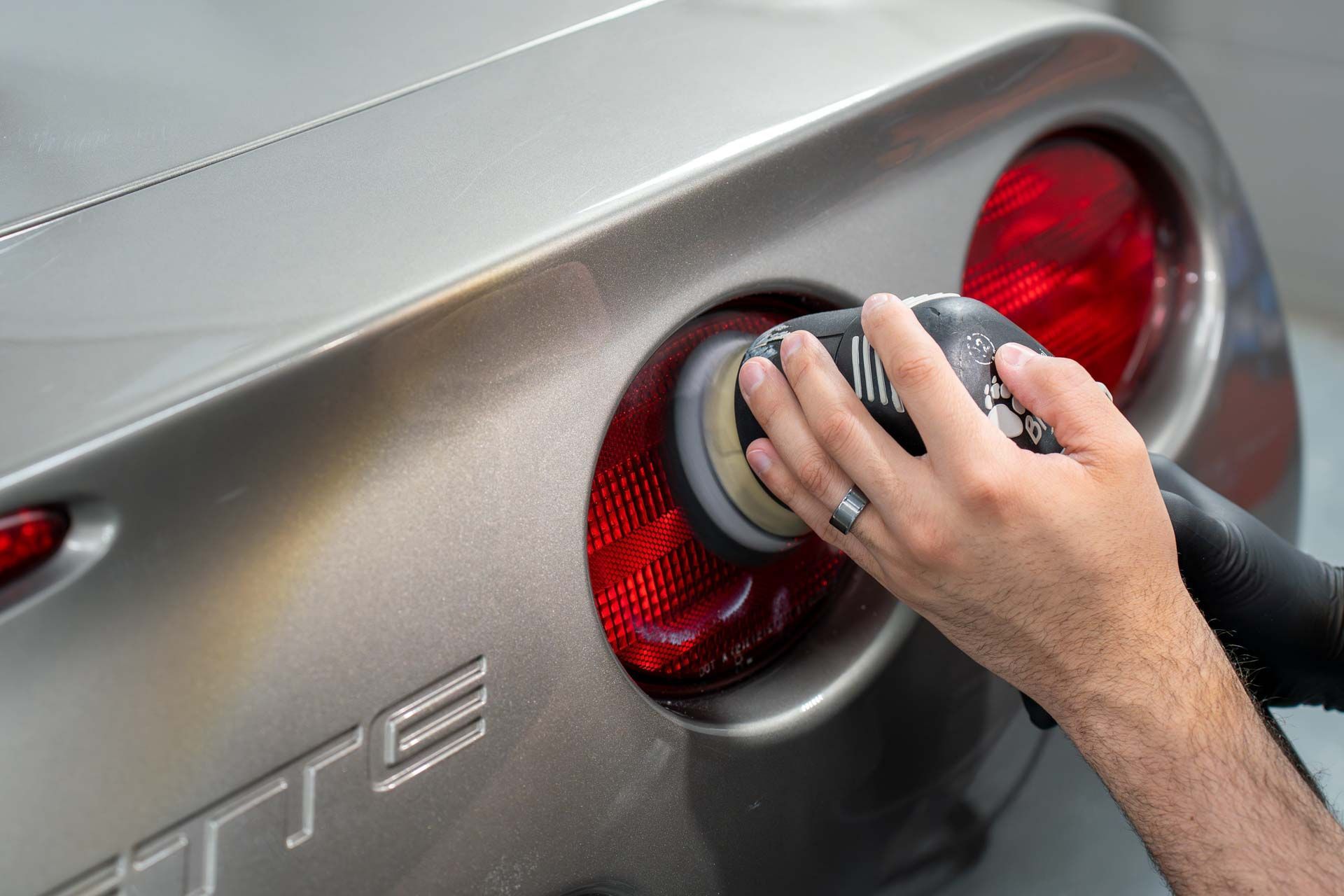
Compounding and polishing work together to refine the clear coat in stages, not a single pass. Each stage is meant to catch what the one before it left behind, which is why a single quick polish rarely gets the same result. Working through it in stages also lowers the risk of removing more clear coat than necessary.
Clear Coat, Not Paint
Correction works on the clear coat layer sitting above the paint itself. That distinction matters because it means the color coat underneath is left untouched throughout the process.
Sealed Finish
A paint sealant and wax lock in the improved finish once correction is complete. That finishing layer buys time before the paint is exposed to the same conditions that caused the original damage. It also leaves the surface in the right condition for a ceramic coating, if that is the next step.
The Right Prep for Coating
Correction is the recommended step before any ceramic coating application, since it directly affects how the final finish looks and holds up. A coating applied over uncorrected paint will simply lock in every existing swirl mark under a glossy layer. Doing the correction first is the only way to get a truly clean base to build on.
Our Paint Correction Process
01
Level 1 and 2 Exterior Detail
The vehicle is fully washed and prepped before any polishing begins, since correcting paint ver dirt or grime only risks grinding contaminants deeper into the clear coat. This step alone often reveals defects that were not obvious under a layer of road film.
02
Paint Decontamination
Embedded contaminants are lifted from the surface so polishing works on clean paint, using a dedicated decontamination step ahead of any compounding or polishing. Skipping this step is one of the most common reasons a correction falls short of expectations.
03
Compound and Polish Stages
Multiple passes refine the clear coat, addressing swirl marks and light scratching, with each stage working toward a smoother, more reflective surface than the last. The exact number of stages used depends on how much correction the paint actually needs.
04
Sealant and Wax
A finishing layer helps hold the corrected surface until a longer-term coating is applied, protecting the fresh polish from immediately picking up new light scratching from everyday driving. It is the last step before the vehicle is handed back over.
What Paint Correction Can and Cannot Fix
Meaningful Improvement
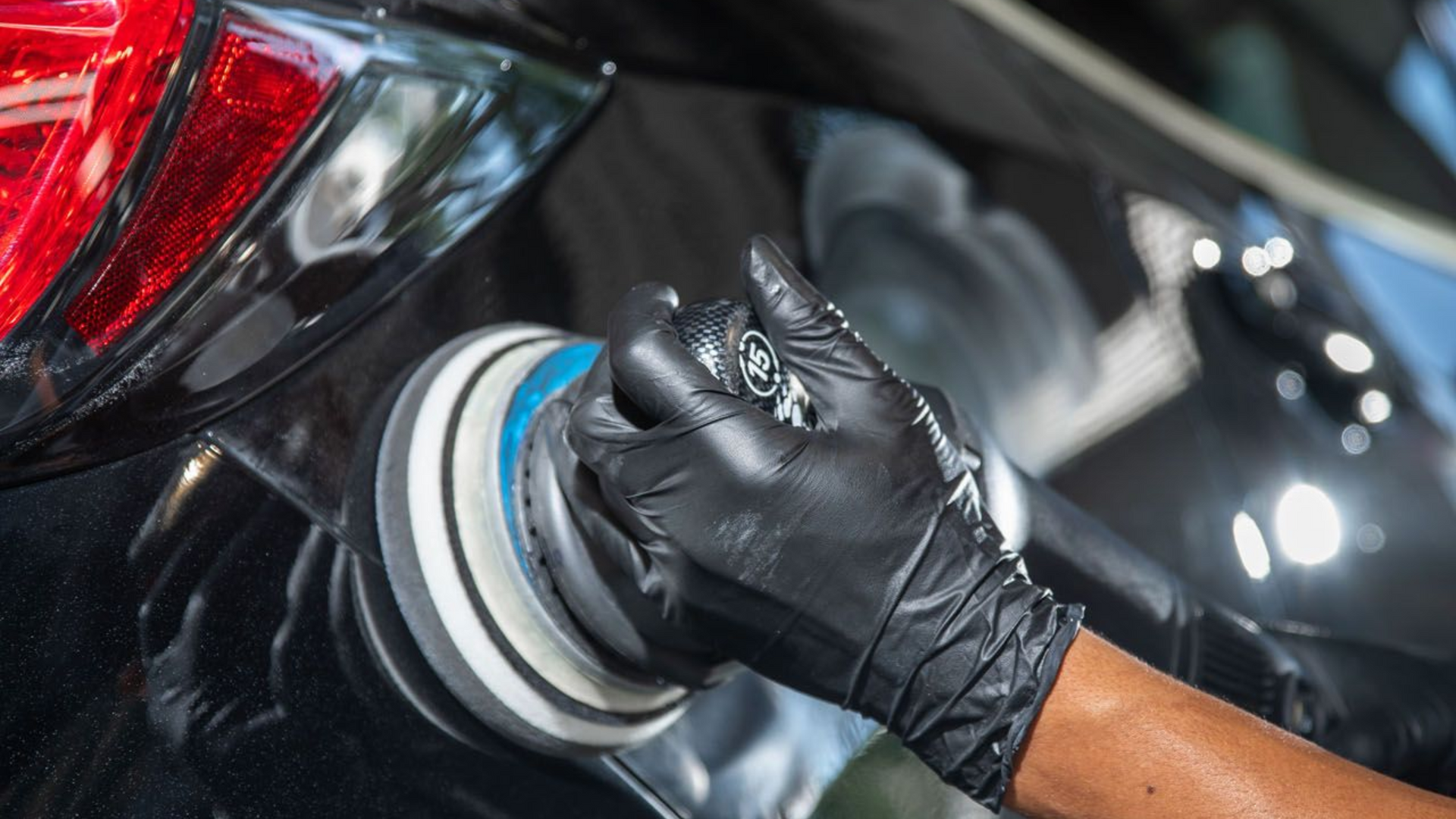
Most swirl marks and light scratching see a significant, visible improvement after correction, especially when caught before years of additional washes make the damage worse.
Deep Scratch Limitations
Deep scratches that penetrate all the way through the clear coat may not fully resolve, no matter how many polishing stages are used, since correction works on the clear coat rather than the paint layer underneath.
Best Paired With Coating
A corrected finish holds up longer once a ceramic coating is applied over it, since the coating protects the newly polished surface from the everyday grime that caused the damage in the first place.
Not a Repaint
Correction refines the existing clear coat rather than replacing paint or filling in chips, and any damage that has gone down to bare metal needs a body shop rather than a correction service.
Frequently Asked Questions
Will paint correction remove all scratches?
Most swirl marks and light surface scratches see meaningful improvement, though deep scratches that go through the clear coat may not fully resolve no matter how many polishing stages are used.
Is paint correction the same as a repaint?
Correction refines the existing clear coat through polishing. It does not involve repainting or filling in chips down to the metal, and any damage that deep needs a body shop instead of a detailing appointment.
Should I get paint correction before ceramic coating?
Correcting the paint first is recommended, since a ceramic coating locks in whatever condition the clear coat is in when it is applied, and it is much harder to correct paint once a coating is already on it. Most drivers book both services back to back for exactly this reason.
How long does paint correction take?
Most vehicles are scheduled for a full-day appointment, though exact timing depends on the vehicle's paint condition and how many polishing stages the correction requires to reach the best possible result.
